
Earth Moss Spent Nine Months in Outer Space and Survived — Greening Mars is Next
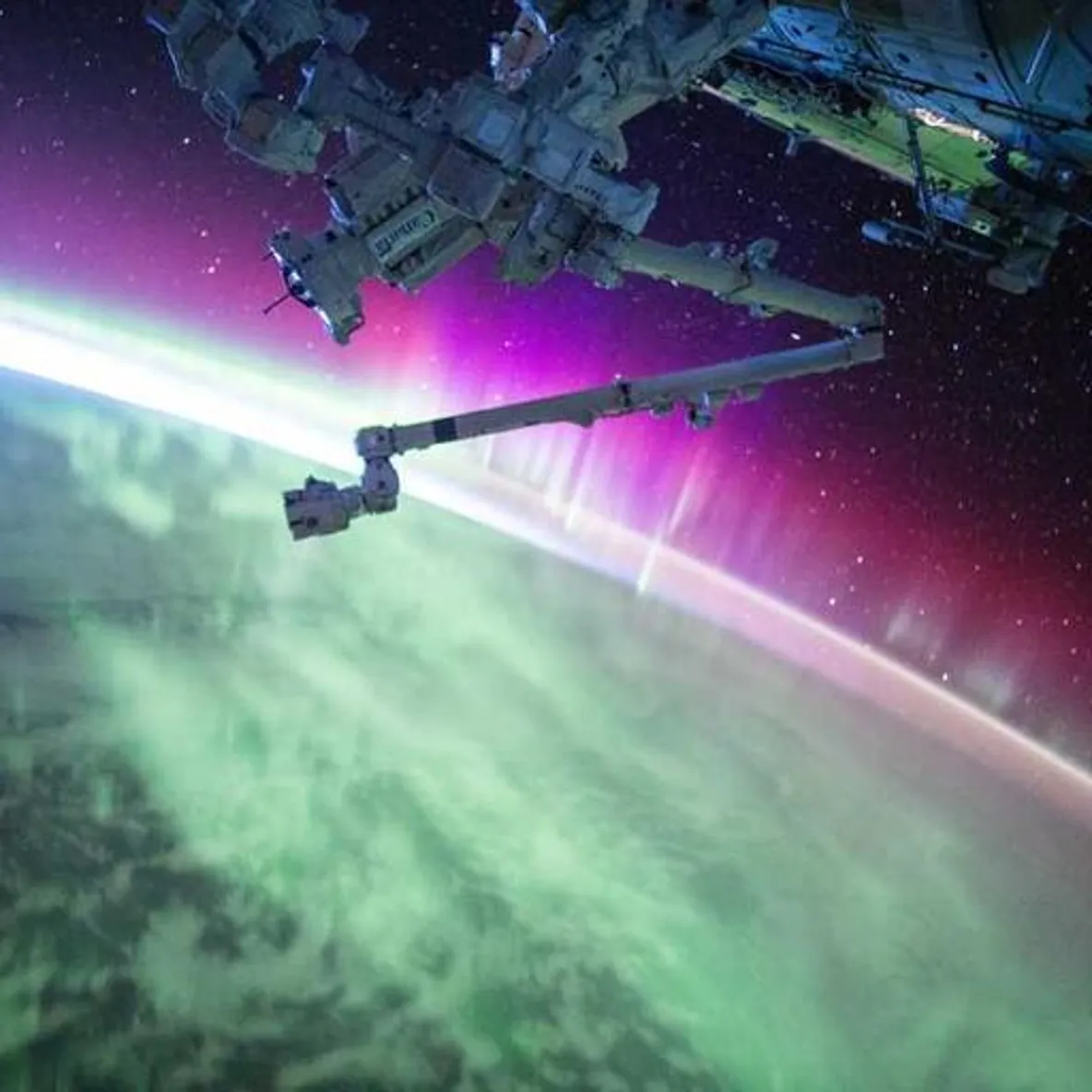
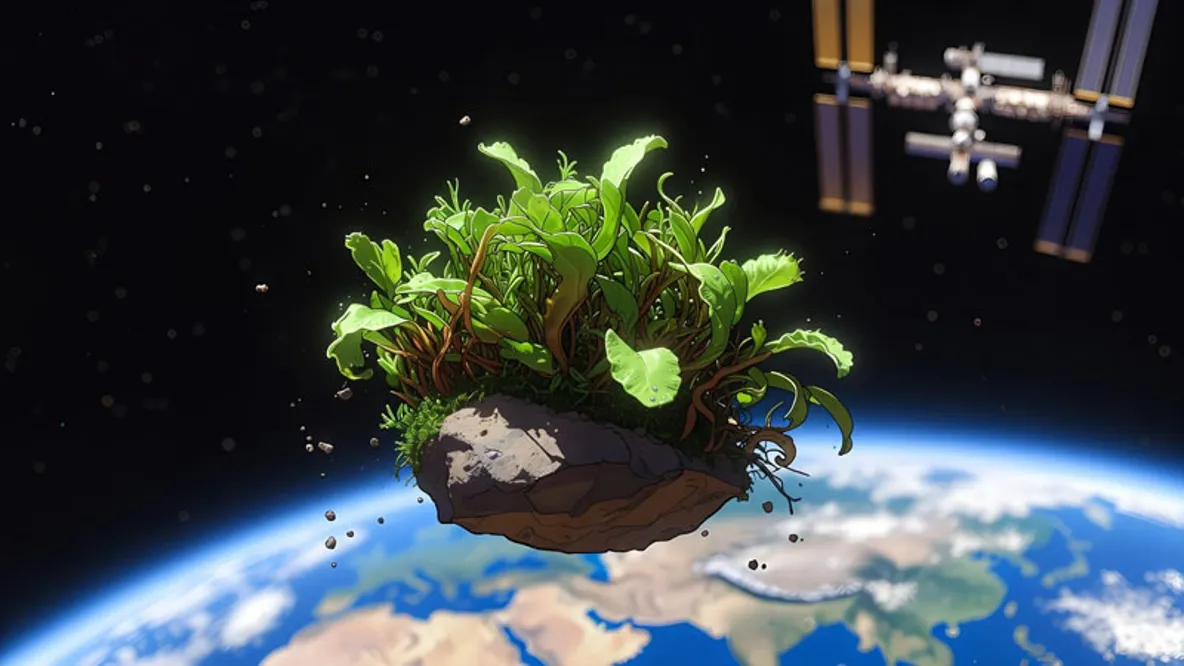
In a stunning display of resilience, spores from the moss Physcomitrella patens survived for 283 days attached to the exterior of the International Space Station (ISS). Exposed to the vacuum, microgravity, extreme temperatures, and intense UV radiation of open space, the moss astonished Japanese scientists when nearly all its spores germinated successfully after returning to Earth.
Key Findings from the Experiment
Prior to the mission, researchers conducted rigorous ground tests and found that the spore-producing organs (sporophytes) were far more durable than the plant's vegetative parts. The mission, which sent the moss to space on a Northrop Grumman Cygnus and returned it on a SpaceX Dragon, yielded remarkable results:
- Survival Rate: Over 80% of the sporophytes remained viable after nearly a year in space.
- Minimal Damage: Chlorophyll-a content, crucial for photosynthesis, decreased by only 20%.
- Successful Germination: The returned spores grew into normal, healthy plants back on Earth.
- Long-Term Potential: Data modeling suggests the spores could survive in space for an incredible 5,600 days—more than 15 years.
Implications for Future Space Colonization
The moss proved to be significantly more resilient than bacteria and tardigrades, which had also previously undergone open-space tests.
This exceptional hardiness opens up exciting possibilities for future space exploration. The ability of moss to withstand such harsh conditions makes it a prime candidate for developing self-sustaining biological systems on the Moon and Mars. This research marks a critical step toward creating the first extraterrestrial ecosystems, essential for long-term human presence beyond Earth.