

TP-Link Conducted First Tests of Equipment with Wi-Fi 8
While Wi-Fi 7 devices are still gaining traction after launching just a couple of years ago, the industry is already pushing forward. TP-Link has announced the first successful tests of a prototype device using the next-generation Wi-Fi 8 (802.11bn) standard.
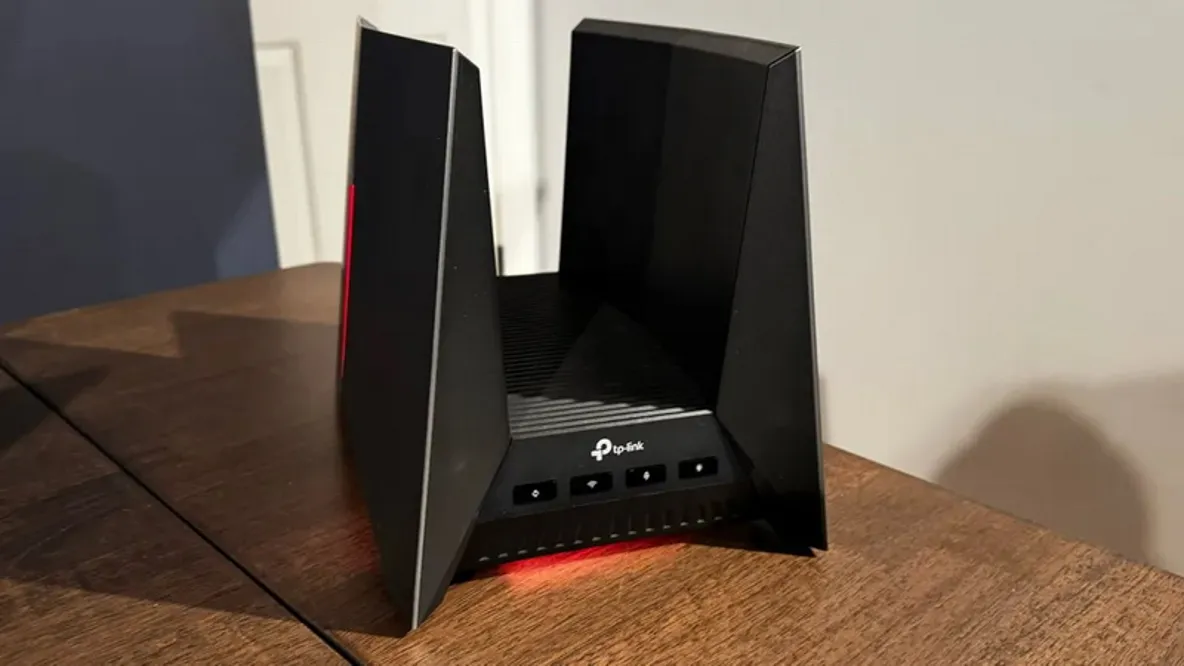
While TP-Link didn't disclose the specific hardware used, they cited a "joint industry partnership." Given the company's close collaboration with Qualcomm for its Wi-Fi 7 chipsets, it's highly probable this partnership extends to the new standard.
The tests successfully validated the radio beacon and throughput capabilities of Wi-Fi 8, marking a crucial milestone in the development of the new standard.
What to Expect from Wi-Fi 8: Reliability Over Raw Speed
The primary goal of Wi-Fi 8 isn't a massive leap in theoretical speeds but a significant boost in real-world performance and reliability. While the maximum data rate will remain at 46 Gbps, Wi-Fi 8 aims to improve actual throughput by up to 25% for compatible devices. Many core specifications will be carried over from Wi-Fi 7:
- Three frequency bands: 2.4 GHz, 5 GHz, and 6 GHz
- 4096 QAM modulation
- 320 MHz maximum channel bandwidth
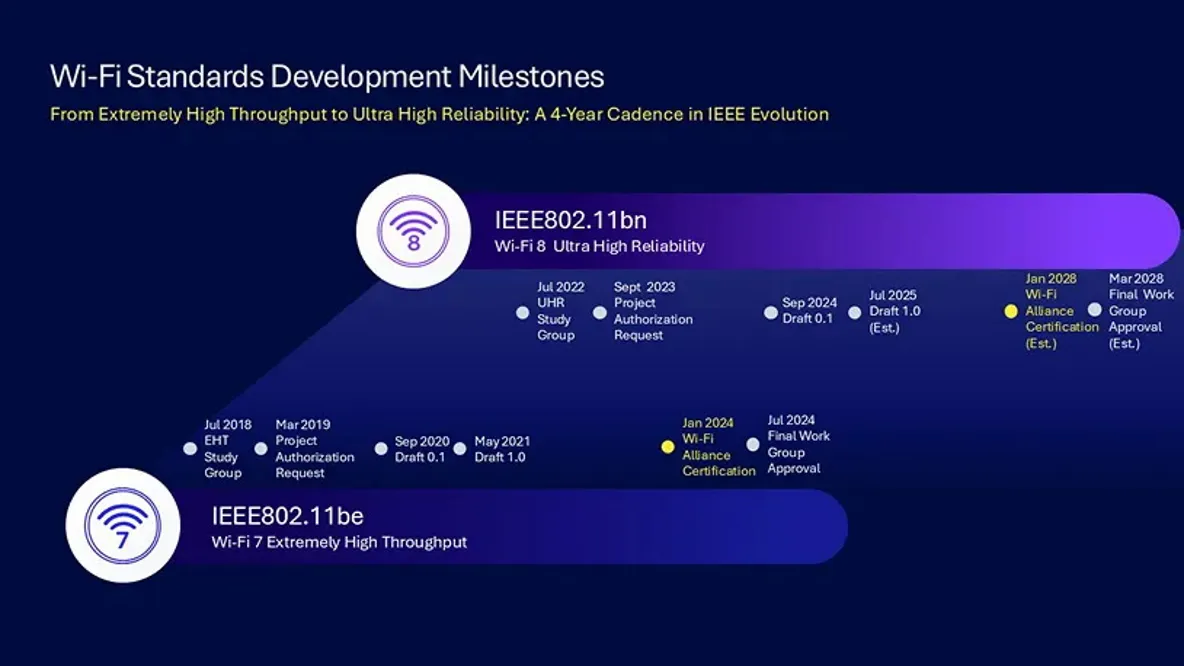
Key Technological Advancements
Several new technologies are set to enhance Wi-Fi performance by improving how signals are managed in congested environments:
- Coordinated Spatial Reuse (Co-SR): Manages power levels to ensure optimal signal strength and reduce interference.
- Coordinated Beamforming (Co-BF): Focuses wireless signals more precisely towards recipient devices for better efficiency.
- Dynamic Subchannel Operation (DSO): Intelligently assigns subchannels to devices, potentially increasing throughput by up to 80%.
- Improved Modulation Coding Scheme (MCS): Enhances data encoding for more robust and stable connections.
Real-World Benefits for Users
For the average user, these technical upgrades translate into tangible improvements:
- Better performance in crowded areas: Reduced interference from neighboring Wi-Fi networks in cities and apartment buildings.
- Improved roaming stability: More seamless connections as you move between access points in your home or office.
- Stronger performance in weak signal areas: A more reliable connection at the edge of your network's range.
Impact on the Wi-Fi 7 Market
The first wave of Wi-Fi 7 hardware, launched in late 2023, came with premium price tags. For instance, the Amazon Eero 7 Max mesh system was priced at $599 for a single unit. However, prices have already dropped significantly, with many routers now available for under $300. The development of Wi-Fi 8 will likely accelerate this trend, making Wi-Fi 7 technology even more affordable for consumers.